What we flagged
View all categories

Our take
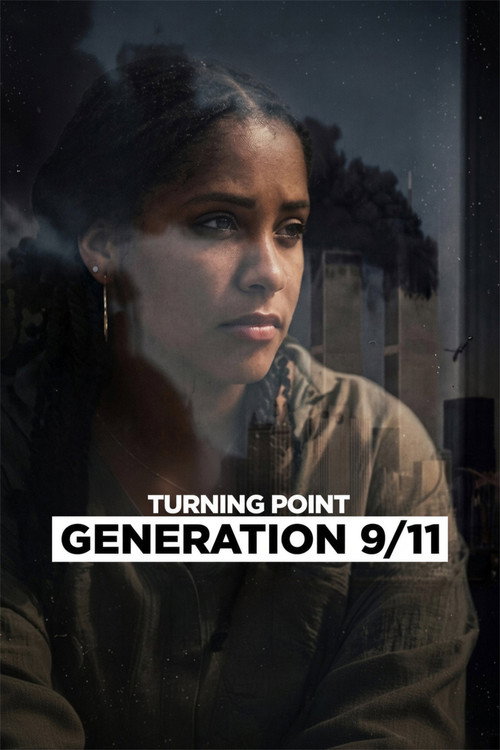
Turning Point: Generation 9/11 uses real footage and interviews to trace the attacks and the wars that followed. Explosions, people fleeing, accounts of severe injuries, and families caught in danger make the material upsetting. Strong swearing grows more frequent in the war chapters, while grief and lasting trauma are central. We put it at around MA 15+ and up, watched together so families can pause and discuss the events.
Uplifting themes
People keep trying to pull strangers onto planes and out of danger. Showing up for others still matters when the politics are a mess. Families can talk about duty without treating war as a game Journalists and Marines who talk about protecting civilians come across as trying to do a hard job. They also sound exhausted and sometimes hungry for a fight. Treat them as complicated adults, not action figures You get a long view from the 2001 attacks through the wars that followed, including the 2021 pull-out. Names, dates, and first-person memory sit together. It can start a history talk if a parent is in the room
Story (may spoil tone)
A quarter-century after September 11th, the attacks' ripple effects persist across generations. Orphaned children, War on Terror journalists, young Afghans, and U.S. Marines shaped by the 2021 withdrawal share their stories.
Details
Violence News film of the 2001 attacks runs with later war pictures: explosions,…
News film of the 2001 attacks runs with later war pictures: explosions, guns in faces, and talk of mass killing. Marines and reporters describe bombs and firefights as the years grind on. The harm is from real streets and real wars
Language The s-word appears in panic and street footage, and the f-word becomes…
The s-word appears in panic and street footage, and the f-word becomes more common in accounts from the war. Strong language comes in bursts alongside real events
Frightening The towers, the smoke, and a later airport bomb sit in a film that bare…
The towers, the smoke, and a later airport bomb sit in a film that barely lets the dread go. People talk about being shot at and about weapons of mass destruction. Sensitive teens may need a pause, especially around the attack pictures
Child peril / abuse Survivors describe losing parents as children, and later footage shows…
Survivors describe losing parents as children, and later footage shows families caught in a dangerous crowd. The threat to real children is clear
Gore / death / weapons Witnesses describe severe injuries and deaths from attacks and warfare.…
Witnesses describe severe injuries and deaths from attacks and warfare. Some archive images are distressing, while the most graphic details are spoken in interviews
Mental health Marines sound jumpy and angry years later, still replaying fire and cro…
Marines sound jumpy and angry years later, still replaying fire and crowds. The film treats that strain as part of growing up after the attacks. It is not a therapy hour, but the stress is plain on their faces
Grief / bereavement Funerals and the word grief come early, and people who lost parents as…
Funerals and the word grief come early, and people who lost parents as kids still carry the empty chair. Later deaths in the wars keep adding to the pile. This is a sad film as much as a history lesson
Flashing lights We have not confirmed whether this version contains flashing lights.
We have not confirmed whether this version contains flashing lights.
Family watch notes
What other parents think.
Be the first family to leave a watch note.
Talk after watching
- People who were children in 2001 still live with the wars that followed. What do you want your own kids to understand about that day?
- Soldiers talk about fighting and about getting civilians out. How do those two jobs sit in the same person?
Ask ClearAge
Turning Point: Generation 9/11
Ask about this guide, or name another film to open its ClearAge page.