What we flagged
View all categories


Our take
The Best of Enemies follows people confronting school segregation in North Carolina. Klan imagery, racist slurs and harassment are hard to hear, and shots are fired into a family home. The story also has warmth and hope. We would watch together from 13 and talk about the history rather than letting the slurs pass by.
Uplifting themes
Shows how listening and working together can change deeply held views, and that people on opposite sides can find common ground. Hope and humour sit beside hard history Ann Atwater is brave and outspoken, and C.P. Ellis finds the courage to change course. Their early behaviour includes anger and hate, which the film does not excuse A strong starting point for talking about civil rights, school desegregation, and racism in the American South in 1971, built on true events
Story (may spoil tone)
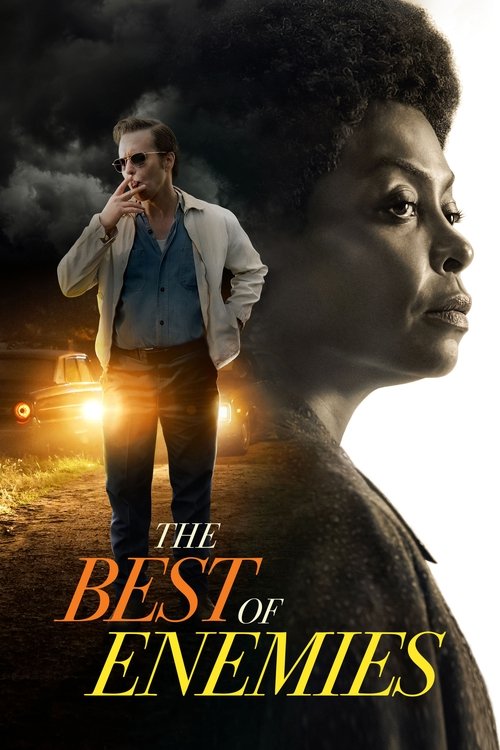
Centers on the unlikely relationship between Ann Atwater, an outspoken civil rights activist, and C.P. Ellis, a local Ku Klux Klan leader who reluctantly co-chaired a community summit, battling over the desegregation of schools in Durham, North Carolina during the racially-charged summer of 1971. The incredible events that unfolded would change Durham and the lives of Atwater and Ellis forever.
What we flagged
Details
Violence A school fire, Klan threats, and shots fired into a house add real dang…
A school fire, Klan threats, and shots fired into a house add real danger. Most of the harm is threatened or seen from a distance, and nobody is badly hurt on screen
Language A racist slur is used 25 times or more, mostly by Klan members and thei…
A racist slur is used 25 times or more, mostly by Klan members and their allies in angry scenes. There is also hell, damn, ass, and a few uses of the s-word
Sex / nudity A woman changes clothes with a bit of midriff and cleavage in view, and…
A woman changes clothes with a bit of midriff and cleavage in view, and a husband and wife kiss before bed. A man grabs a woman's leg in a way the camera does not show, and one character makes a crude joke about anatomy
Drugs / alcohol Characters drink and smoke through much of the film, mostly in kitchens…
Characters drink and smoke through much of the film, mostly in kitchens, meetings, and bars. It is part of everyday life and is never shown as a problem
Frightening Klan meetings and robes, harassment at home, and fear for children's sa…
Klan meetings and robes, harassment at home, and fear for children's safety create a heavy mood. The scariest parts come from real-world hatred, not special effects
Child peril / abuse Children are caught in the tension, with a school fire and threats to f…
Children are caught in the tension, with a school fire and threats to families and students. They are scared and upset, though the film keeps the worst away from them
Bullying / discrimination Racism and prejudice drive the story, with Klan members, white leaders…
Racism and prejudice drive the story, with Klan members, white leaders who resist integration, and slurs thrown at Black characters and their children. The film shows the damage clearly, and also how views can change
Flashing lights We have not confirmed whether this version contains flashing lights.
We have not confirmed whether this version contains flashing lights.
Family watch notes
What other parents think.
Be the first family to leave a watch note.
Talk after watching
- Ann and C.P. start as enemies. What do you think made it possible for them to start listening to each other?
- The film shows real events from 1971. How did it change the way you think about school and fairness today?
Ask ClearAge
The Best of Enemies
Ask about this guide, or name another film to open its ClearAge page.