What we flagged
View all categories

Our take
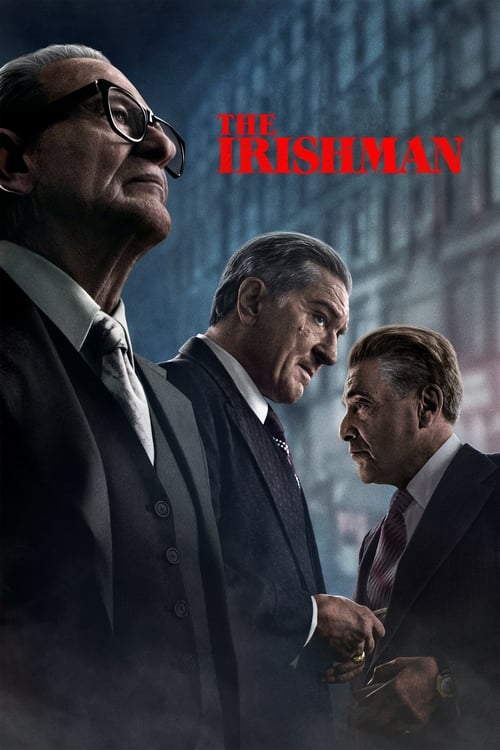
Frank Sheeran tells the story of his years among mob figures and his friendship with Jimmy Hoffa. The Irishman is long and conversational until a killing arrives suddenly; shootings, stranglings and coarse language recur. We would keep it for 16 and up, when a teen can sit with the violence and the regret around it.
Uplifting themes
The film warns that crime corrodes trust and family, even when money looks easy at first. It is a cautionary epic more than an inspirational one Few characters stay clean once the union work turns violent. Peggy's quiet judgment offers a moral counterweight to Frank, though she cannot stop the spiral
Story (may spoil tone)
Pennsylvania, 1956. Frank Sheeran, a war veteran of Irish origin who works as a truck driver, accidentally meets mobster Russell Bufalino. Once Frank becomes his trusted man, Bufalino sends him to Chicago with the task of helping Jimmy Hoffa, a powerful union leader related to organized crime, with whom Frank will maintain a close friendship for nearly twenty years.
What we flagged
Details
Violence Mob hits happen in tight spaces with gunshots and manual kills, then bo…
Mob hits happen in tight spaces with gunshots and manual kills, then bodies are disposed of calmly. Threats mention kidnapping and mutilation
Language The f-word and s-word come up regularly, including in family conversati…
The f-word and s-word come up regularly, including in family conversations and car rides. Mob insults add to the coarse language
Sex / nudity Marriage and affair talk threads through Frank's memories, with no prol…
Marriage and affair talk threads through Frank's memories, with no prolonged nudity in the dialogue we sampled. Intimacy is implied more than shown
Drugs / alcohol Characters smoke constantly, pour wine at long tables, and mention beer…
Characters smoke constantly, pour wine at long tables, and mention beer in passing; one line references a bookmaking joint
Frightening Kidnapping threats, abduction talk, and the slow dread of Hoffa's disap…
Kidnapping threats, abduction talk, and the slow dread of Hoffa's disappearance hang over the second half. Violence often arrives suddenly, which can jolt viewers who know the real history
Self-harm / suicide Violence is almost entirely directed outward; there is no focused suici…
Violence is almost entirely directed outward; there is no focused suicide story. Deaths still weigh on Frank late in life as he narrates empty rooms
Gore / death / weapons Blood splatter and wounded faces appear when hits go wrong, though the…
Blood splatter and wounded faces appear when hits go wrong, though the film often cuts away quickly after the shot. The violence is frequent but usually brief on screen
Mental health Late-life regret and isolation colour Frank's confession to the camera.…
Late-life regret and isolation colour Frank's confession to the camera. There is no clinical diagnosis, but his loneliness feels central to the ending
Gambling A passing reference to illegal bookmaking appears in a prison setting d…
A passing reference to illegal bookmaking appears in a prison setting during Frank's rise. Gambling is not a major thread compared with union politics and hits
Grief / bereavement Frank's aging narration mourns lost friends, empty houses, and time sto…
Frank's aging narration mourns lost friends, empty houses, and time stolen from his daughters. The tone is elegiac, especially in the final act
Flashing lights We have not confirmed whether this version contains flashing lights.
We have not confirmed whether this version contains flashing lights.
Family watch notes
What other parents think.
Be the first family to leave a watch note.
Talk after watching
- Frank insists he stayed loyal to friends, even when orders turned deadly. Where does loyalty stop being an excuse?
- Hoffa wants power while Frank wants belonging. What are each man really chasing?
Ask ClearAge
The Irishman
Ask about this guide, or name another film to open its ClearAge page.