What we flagged
View all categories

Our take
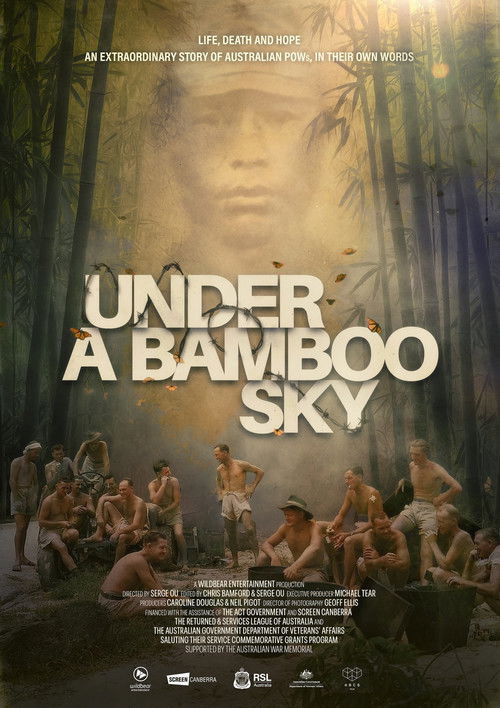
Under a Bamboo Sky lets former Australian prisoners of war tell their own story of Changi, the Thai-Burma Railway, shipwreck, and forced labour in Japan. Archival images and spoken memories cover starvation, disease, violence, and the long trauma of coming home. There is no modern battle spectacle, but the history is harrowing. We land at M and up because sustained war suffering and mature themes sit in the harder half of an M documentary
Uplifting themes
Mateship, humour, and noticing beauty in harsh places help the men survive day by day. Hope is hard-won and specific, never sold as a simple slogan Ordinary diggers look after one another when systems and captors fail them. Courage here is endurance, sharing, and care rather than glory kills First-hand POW voices map Changi, the Thai-Burma Railway, and Japan for Australian families. It is strong classroom and Anzac history material told by those who lived it
Story (may spoil tone)
A tale of human connection, hope and resilience in the face of great tragedy, Under a Bamboo Sky uses new technology to bring to life an untold story of Australian soldiers held prisoner by the Japanese in WWII. Using their own words, their own voices, the film weaves the recollections of more than 60 former POWs with newly colourised archival material and new location footage to deliver a moving and revelatory first-hand account of their experience. Captured during the Japanese offensive and imprisoned in Singapore’s Changi Barracks, the film follows the years long journey of these soldiers through four countries. After bearing witness to some of WWII’s most history-defining events, they tell of returning home to families, wives and sweethearts, and of the price they paid for the trauma they endured. Shining through the horrors of war is the spirit of these men and an inspiring human capacity to find beauty in their surroundings and hold onto hope in the worst of circumstances.
Details
Violence Forced labour, beatings, and wartime captivity run through the men's fi…
Forced labour, beatings, and wartime captivity run through the men's first-hand memories. Violence is described and shown in archives more than staged as action set pieces
Frightening Starvation, disease, shipwreck, and camps create a sustained sense of p…
Starvation, disease, shipwreck, and camps create a sustained sense of peril across years. The dread comes from real history told in first-person voices
Bullying / discrimination Wartime hatred and harsh talk about the enemy surface in some recollect…
Wartime hatred and harsh talk about the enemy surface in some recollections. The film notes how those views can sit uncomfortably with viewers today
Gore / death / weapons Memories include infected limbs, amputations with camp tools, and bodie…
Memories include infected limbs, amputations with camp tools, and bodies worn down by cholera and overwork. Detail is frank without becoming horror spectacle
Mental health Trauma follows the men home after years of captivity, slave labour, and…
Trauma follows the men home after years of captivity, slave labour, and loss. The documentary treats damaged return as part of the story, not a footnote
Grief / bereavement Friends die along the railway and at sea, and families wait through yea…
Friends die along the railway and at sea, and families wait through years of silence and rumour. Loss shapes both the camps and the difficult homecoming
Flashing lights We have not confirmed whether this version contains flashing lights.
We have not confirmed whether this version contains flashing lights.
Family watch notes
What other parents think.
Be the first family to leave a watch note.
Talk after watching
- The men find small beauty even in camps and jungle. What helps people hold onto hope in impossible conditions?
- Returning home did not end the cost of what they saw. How can families support someone living with old trauma?
Ask ClearAge
Under a Bamboo Sky
Ask about this guide, or name another film to open its ClearAge page.