What we flagged
View all categories

Our take
This is a grown-up magazine documentary, not a kids' history hour. Editors and writers talk about reporting, cartoons, and pieces that touched war, murder, and politics, with occasional strong swearing in interviews. Archival talk of Hiroshima and true-crime writing can feel heavy for younger teens. We land at 13 and up because the language and the darker published stories need a parent who can put the journalism in context
Uplifting themes
Curiosity, editing craft, and standing by hard reporting come through as virtues. The film values careful words over viral noise Editors and writers model patience, fact-checking, and arguing in good faith. Ego shows up too, which keeps the portraits human Parents get a clear window into how a magazine is made, from cartoons to long reporting. It is useful for teens curious about journalism and media power
Story (may spoil tone)
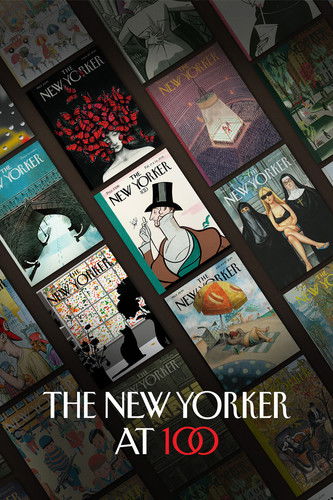
Hard-hitting journalism. Era-defining fiction. Witty cartoons. The New Yorker marks its 100th anniversary with this look at its past, present and future. The New Yorker's centennial reveals behind-the-scenes access to editors, writers, and archives of this culturally vital magazine, one of print's last survivors.
Details
Violence Staff revisit published work on the atomic bomb and a famous farmhouse…
Staff revisit published work on the atomic bomb and a famous farmhouse murder piece. The harm sits in talk and archives rather than staged fights, but the subject matter is still grim for younger kids
Language Interview chatter includes the f-word and motherf-word, plus milder dam…
Interview chatter includes the f-word and motherf-word, plus milder damn, hell, and b-word. Swearing is occasional, not a constant barrage, yet it lands clearly in a few candid moments
Drugs / alcohol Cigarette smoke, beer talk, and a whiskey ad crop up while people descr…
Cigarette smoke, beer talk, and a whiskey ad crop up while people describe old newsroom life. Nobody is shown spiraling into addiction on camera
Bullying / discrimination The documentary shows and names racist caricatures from earlier magazin…
The documentary shows and names racist caricatures from earlier magazine art. It treats that history as something to face, not celebrate, which still means kids will see the images
Flashing lights We have not confirmed whether this version contains flashing lights.
We have not confirmed whether this version contains flashing lights.
Family watch notes
What other parents think.
Be the first family to leave a watch note.
Talk after watching
- The film celebrates careful reporting. When does a hard story help the public, and when does it feel too invasive?
- Cartoon history includes racist images the magazine later rejects. How should old work be shown without repeating the harm?
Ask ClearAge
The New Yorker at 100
Ask about this guide, or name another film to open its ClearAge page.