What we flagged
View all categories Netflix
 Beamafilm
 Netflix Standard with Ads
Rent or buy on
 JustWatch TV Store
 Apple TV Store
 Amazon Video
 YouTube
 Fetch TV
Beamafilm
Our take
This is a serious historical drama about a Māori leader who spent a lifetime fighting for land, women, and community. Racist insults and political intimidation appear, including tense moments with firearms, and relationships include kissing within adult partnerships. Mild language (b-word, damn) shows up in conflict. We land at 13 and up because the discrimination and adult political pressure need teens ready for real history, not a soft school clip
Uplifting themes
Equality, collective action, and speaking for those without a platform sit at the core. The film honors persistence without pretending leadership is easy Whina models courage, organising skill, and care for women and land. The portrait also allows flaws, so kids see a real person, not a statue Families learn Māori land-rights history, the 1975 hīkoi, and why Te Whaea o te Motu still matters. Rich classroom and dinner-table material
Story (may spoil tone)
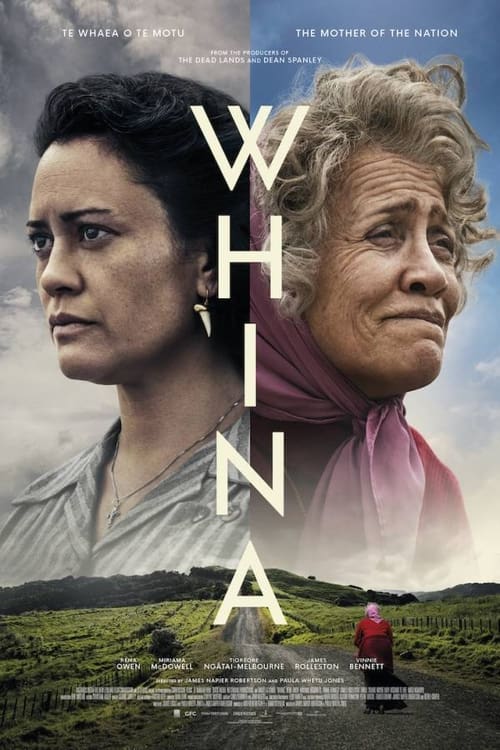
The story of Dame Whina Cooper, the beloved Māori matriarch who worked tirelessly to improve the rights of her people, especially women. Flawed yet resilient, Whina tells the story of a woman formed by tradition, compelled by innovation, and guided by an instinct for equality and justice whose legacy as the Te Whaea o te Motu (Mother of the Nation) was an inspiration to an entire country.
Details
Violence Political conflict includes intimidating gun-cocking and the threat of…
Political conflict includes intimidating gun-cocking and the threat of force around land disputes. Bruising history sits nearer to pressure than battle spectacle
Language b-word and damn appear when tempers rise around land fights and family…
b-word and damn appear when tempers rise around land fights and family strain. Stronger street swearing is not the texture of this biopic
Sex / nudity Adult relationships include affectionate kissing across Whina's long li…
Adult relationships include affectionate kissing across Whina's long life. There is no explicit sex focus for parents to skip
Bullying / discrimination Racist speech and structural unfairness toward Māori communities drive…
Racist speech and structural unfairness toward Māori communities drive the struggle Whina takes on. Discrimination is the engine of the story, shown as injustice to resist
Gore / death / weapons Firearms appear as tools of intimidation in tense political standoffs.…
Firearms appear as tools of intimidation in tense political standoffs. Injury detail is not the focus; the threat is the point
Grief / bereavement Personal losses and the long ache of dispossession weigh on Whina and h…
Personal losses and the long ache of dispossession weigh on Whina and her people. Mourning is woven through decades of activism
Flashing lights We have not confirmed whether this version contains flashing lights.
We have not confirmed whether this version contains flashing lights.
Family watch notes
What other parents think.
Be the first family to leave a watch note.
Talk after watching
- Whina keeps organising when authorities push back. What causes in your life feel worth that kind of persistence?
- Public leadership pulls her from family duties. How should communities support the people who speak for them?
Ask ClearAge
Whina
Ask about this guide, or name another film to open its ClearAge page.