What we flagged
View all categories

Our take
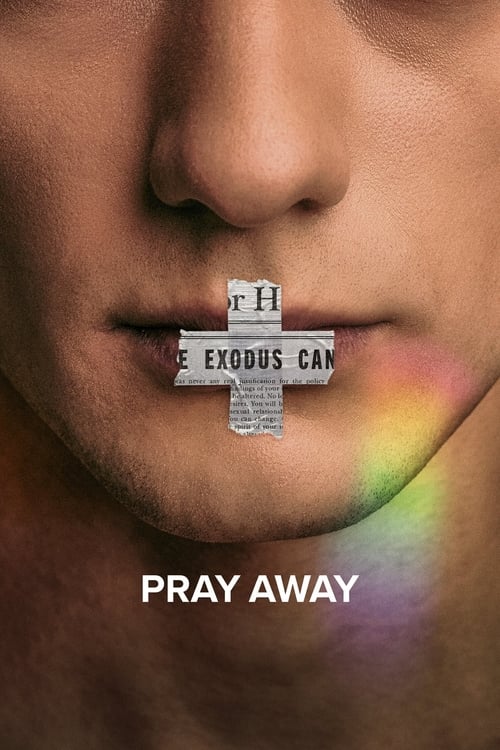
Pray Away follows people who promoted conversion therapy and people hurt by it. They speak about shame, depression, suicide attempts and sexual assault, while the film shows how pressure to change can stay with someone for years. We would watch it with a teen who has room to talk afterwards, especially about the suicide and assault references.
Uplifting themes
Former leaders model accountability when they reject the harm they once sold. Survivors' honesty and care for LGBTQ people become the moral centre People who leave the movement and tell the truth offer courage under religious pressure. Not every interviewee is a guide, but several model repair Families get a clear history of Exodus International and how conversion therapy worked in public and private. Useful context for conversations about identity, faith, and medical ethics
Story (may spoil tone)
In the 1970s, five men struggling with being gay in their Evangelical church started a bible study to help each other leave the "homosexual lifestyle." They quickly received over 25,000 letters from people asking for help and formalized as Exodus International, the largest and most controversial conversion therapy organization in the world. But leaders struggled with a secret: their own “same-sex attractions” never went away. After years as Christian superstars in the religious right, many of these men and women have come out as LGBTQ, disavowing the very movement they helped start. Focusing on the dramatic journeys of former conversion therapy leaders, current members, and a survivor, PRAY AWAY chronicles the “ex gay" movement’s rise to power, persistent influence, and the profound harm it causes.
Details
Sex / nudity Interviews dig into same-sex attraction, porn, masturbation rules, and…
Interviews dig into same-sex attraction, porn, masturbation rules, and sexual relationships inside the movement. The talk is frank and clinical in places, without sex scenes
Drugs / alcohol Former members recall drugs, alcohol, and overdose attempts in their pa…
Former members recall drugs, alcohol, and overdose attempts in their pasts. Substance use is testimony about crisis, not a how-to or party montage
Self-harm / suicide People describe suicide attempts and the ongoing risk for those crushed…
People describe suicide attempts and the ongoing risk for those crushed by the movement. The film names the harm without staging a method on screen
Sexual violence Survivors and speakers reference sexual assault and rape in their histo…
Survivors and speakers reference sexual assault and rape in their histories. The violence is discussed in interviews, not re-enacted as a scene
Bullying / discrimination Homophobia, church rejection, and pressure to erase gay identity drive…
Homophobia, church rejection, and pressure to erase gay identity drive the entire documentary. Childhood bullying and adult political campaigns both show how cruelty scaled up
Mental health Depression, panic attacks, shame, and therapy run through multiple life…
Depression, panic attacks, shame, and therapy run through multiple life stories. The film links mental pain to years of being told who you are is wrong
Flashing lights We have not confirmed whether this version contains flashing lights.
We have not confirmed whether this version contains flashing lights.
Family watch notes
What other parents think.
Be the first family to leave a watch note.
Talk after watching
- Leaders admit the change they sold never stuck. How should institutions respond when their teaching causes harm?
- Survivors talk about shame learned in childhood. What helps a young person feel safe being honest about who they are?
Ask ClearAge
Pray Away
Ask about this guide, or name another film to open its ClearAge page.