What we flagged
View all categories

Our take
Serious true-crime storytelling cuts between a gifted teen at Harvard and the later FBI hunt for a mail bomber. Package explosions, talk of victims, and tense arrests share the screen with long stretches where teachers put a young student through cruel psychological experiments. Strong language shows up often in the bureau scenes. Co-watch around M, and leave room afterward to talk about isolation, power, and real-world harm.
Uplifting themes
On the hunt side, persistence, teamwork, and stopping harm before more people get hurt carry real weight. Ambition without care reads as dangerous. Violence keeps a clear cost, even while the film runs in thriller mode. When others want to quit, the lead investigator keeps pushing, and that grit is the closest thing to a role-model spine. Campus mentors fail the young student badly. Adults land mixed overall, with one determined agent standing out. True-crime history fans may use the film to talk about domestic terrorism cases and research ethics. Drama leads, with textbook content in a supporting seat. A calm factual chat afterward rounds out what the film alone cannot cover When others want to quit, the lead investigator keeps pushing, and that grit is the closest thing to a role-model spine. Campus mentors fail the young student badly. Adults land mixed overall, with one determined agent standing out True-crime history fans may use the film to talk about domestic terrorism cases and research ethics. Drama leads, with textbook content in a supporting seat. A calm factual chat afterward rounds out what the film alone cannot cover
Story (may spoil tone)
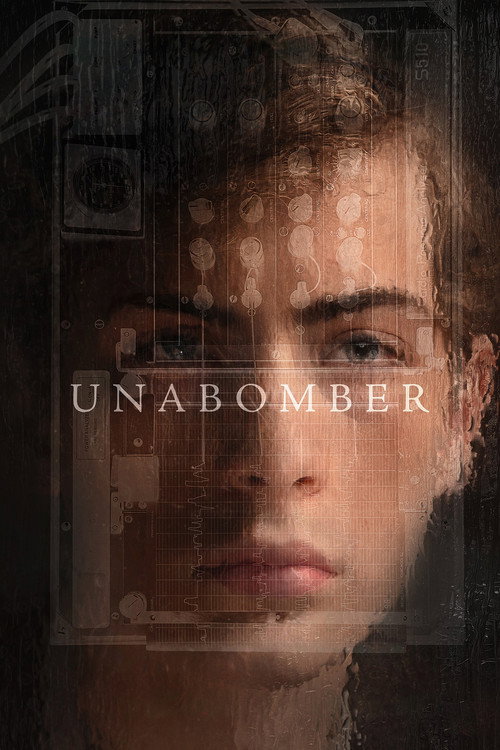
Follow Ted Kaczynski's transformation from Harvard prodigy into the infamous Unabomber. Subjected to controversial psychological experiments by Professor Henry Murray, Kaczynski's troubled past resurfaces decades later when his manhunt, led by FBI agent Joanne Miller, brings to light the chilling consequences of ambition and isolation.
What we flagged
Details
Violence True-crime momentum comes from mail bombs, deaths, and injuries, while…
True-crime momentum comes from mail bombs, deaths, and injuries, while agents carry guns during arrests. The weight lands in the threat and aftermath, with few long fight scenes. Families should treat it as a serious crime drama throughout
Language In FBI rooms and raid moments the f-word comes up a lot, with the s-wor…
In FBI rooms and raid moments the f-word comes up a lot, with the s-word, hell, and damn mixed in. Agents snap at each other under pressure, so the swearing lands sharp and workplace-rough. Homes that mind swearing will catch it early
Sex / nudity Romance barely registers beyond a brief kiss mentioned in conversation.…
Romance barely registers beyond a brief kiss mentioned in conversation. No sex scene or nudity appears on screen. Beside the crime story, intimate content stays tiny
Frightening Bomb threats, cabin raids, and cruel-experiment memories keep an uneasy…
Bomb threats, cabin raids, and cruel-experiment memories keep an uneasy grip for much of the film. True-crime tension supplies the dread, with little jump-scare machinery. Younger teens may find that psychological pressure hard to shake
Child peril / abuse At university, adults put a teenage math prodigy through harsh psycholo…
At university, adults put a teenage math prodigy through harsh psychological experiments. The power imbalance wears him down over time, and you can see that erosion on screen. A minor is the one being put through it
Gore / death / weapons The case story includes bomb aftermath and injury detail, and agents ha…
The case story includes bomb aftermath and injury detail, and agents handle firearms during the hunt. Viewers hear about deaths and sometimes see them. Gore never blankets the film, yet the wounds still matter
Dangerous behaviour The plot includes bomb materials, suspicious packages, and raid talk, p…
The plot includes bomb materials, suspicious packages, and raid talk, plus practical lines about what agents do when something looks wrong. Teens should leave that procedure on screen. Copying any of it would be a serious mistake
Mental health The character study turns on isolation, damaged trust, and the fallout…
The character study turns on isolation, damaged trust, and the fallout from those experiments. The film takes a troubled mind seriously and skips tidy lesson-making. Families may want to unpack how loneliness and rage feed each other
Grief / bereavement Dialogue nods to a funeral and to someone who stayed away. Loss arrives…
Dialogue nods to a funeral and to someone who stayed away. Loss arrives as a quiet beat while the crime story keeps moving. Kids who feel that kind of sadness easily may still catch the weight in that line
Flashing lights We have not confirmed whether this version contains flashing lights.
We have not confirmed whether this version contains flashing lights.
Family watch notes
What other parents think.
Be the first family to leave a watch note.
Talk after watching
- Adults with power put a young student through experiments. How should mentors protect kids who feel out of place?
- The story links loneliness and rage to real violence. Where do you draw the line between understanding someone and excusing harm?
Ask ClearAge
UNABOMBER
Ask about this guide, or name another film to open its ClearAge page.