What we flagged
View all categories

Our take
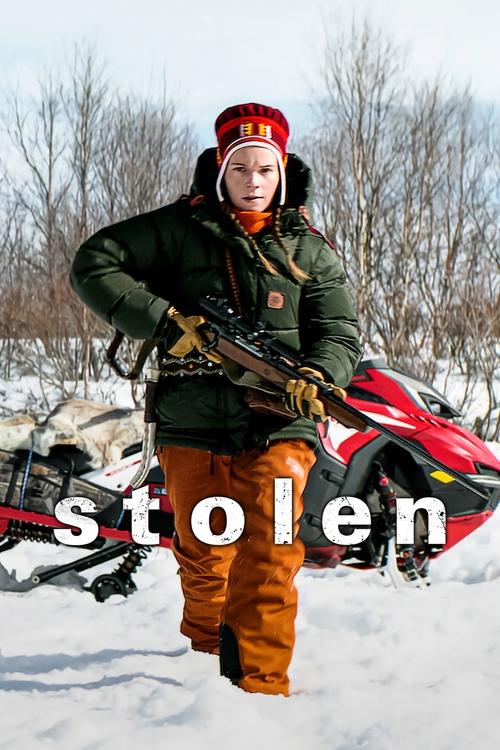
Stolen (Stöld) follows a Sámi family fighting racist neighbours and the slaughter of their reindeer in northern Sweden. Strong language is frequent, mostly the f-word, and animal cruelty is shown through blood trails and killed calves. Depression and suicide weigh on the community without turning the film into a how-to. Hate crime, animal cruelty and suicide themes make this a heavy drama for older teens.
Uplifting themes
Standing up for land, language, and herd life is framed as necessary courage. The film values truth-telling over quiet endurance Elsa keeps insisting on justice when adults shrug. Elders who teach children to stand for what is right get quiet weight Viewers get a grounded look at Sámi reindeer herding and modern prejudice in the north. It opens a culture many families rarely see on screen
Story (may spoil tone)
A young woman struggles to defend her Sámi heritage in a world where xenophobia is on the rise, climate change is threatening reindeer herding, and young people choose suicide in the face of collective desperation.
Details
Violence Reindeer are killed and tortured, with blood trails leading investigato…
Reindeer are killed and tortured, with blood trails leading investigators to barns. Human confrontations stay tense and threatening around that cruelty
Language The f-word shows up a lot in arguments with police and neighbours, plus…
The f-word shows up a lot in arguments with police and neighbours, plus hell, damn, and b-word. Swearing carries anger more than comic punchlines
Drugs / alcohol People get called out for being drunk at public moments in the communit…
People get called out for being drunk at public moments in the community. Drinking marks frayed nerves rather than a party montage
Frightening Night pursuits, hate, and the threat around the herd create a chill. It…
Night pursuits, hate, and the threat around the herd create a chill. It is dread rooted in real-world hostility more than jump scares
Self-harm / suicide Suicide and despair among young Sámi people sit inside the story's emot…
Suicide and despair among young Sámi people sit inside the story's emotional weather. The film names the crisis without teaching a method
Child peril / abuse A younger Elsa witnesses animal killing and carries that fear forward i…
A younger Elsa witnesses animal killing and carries that fear forward into adulthood. The peril is trauma and intimidation more than a long chase of a child
Bullying / discrimination Racist slurs and hate-crime talk against Sámi herders drive the conflic…
Racist slurs and hate-crime talk against Sámi herders drive the conflict. Discrimination is the engine of the drama, not a side plot
Gore / death / weapons Bloody animal carcasses and slaughter traces appear on the snow. Human…
Bloody animal carcasses and slaughter traces appear on the snow. Human gore stays limited beside the animal harm that sparks the fight
Mental health Depression, rage, and collective hopelessness press on the family and n…
Depression, rage, and collective hopelessness press on the family and neighbours. Mental strain is treated as part of cultural survival, not a subplot gag
Grief / bereavement Loss of animals, of trust, and of people who have passed away threads t…
Loss of animals, of trust, and of people who have passed away threads through gatherings. Mourning is communal and unfinished
Flashing lights We have not confirmed whether this version contains flashing lights.
We have not confirmed whether this version contains flashing lights.
Family watch notes
What other parents think.
Be the first family to leave a watch note.
Talk after watching
- Elsa speaks up when institutions shrug. What does it take to keep pushing when people in power will not listen?
- The film links cultural pride with mental health pressures on young people. How can families talk about despair without shutting down?
Ask ClearAge
Stolen
Ask about this guide, or name another film to open its ClearAge page.