What we flagged
View all categories


Our take
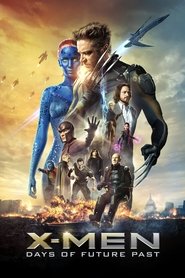
This 1960s-set origin story follows Charles Xavier and Erik Lehnsherr from uneasy friendship to opposing paths as they recruit young mutants and face a villain who wants war. There is wartime cruelty early on, including a child forced to watch a parent threatened, plus later battles, guns, and talk of killing. Swearing includes at least one f-word, adults drink, and romance stays at kissing and attraction. Teens around 13 and up can follow it, with a parent for the Holocaust opening and discrimination themes
Uplifting themes
Found family, courage, and the dream of peaceful coexistence get a real airing before history pulls friends apart. The film asks what justice looks like after atrocity. There is hope in the team even when the ending turns bittersweet Charles mentors with warmth and idealism, and several young mutants choose to protect people instead of punishing them. Erik is sympathetic yet headed toward darker choices, a clear contrast. Good models and cautionary ones share the screen The Cuban Missile Crisis framing and wartime opening give a light historical hook families can unpack after. It is still a superhero movie first. Useful as a springboard, not a lesson plan
Story (may spoil tone)
Before Charles Xavier and Erik Lensherr took the names Professor X and Magneto, they were two young men discovering their powers for the first time. Before they were arch-enemies, they were closest of friends, working together with other mutants (some familiar, some new), to stop the greatest threat the world has ever known.
What we flagged
Details
Violence Erik hunts war criminals, mutants fight with guns and powers, and a cli…
Erik hunts war criminals, mutants fight with guns and powers, and a climax puts ships and missiles in play. Killings happen, including a parent's death that shapes the story. Combat feels clearer and more personal than pure cartoon smash-ups
Language Hell, damn, b-word, and the a-word turn up in angry exchanges, and one…
Hell, damn, b-word, and the a-word turn up in angry exchanges, and one character fires off a clear f-word. Swearing is sporadic, not constant. It still lands as a solid teen-level track
Sex / nudity Kisses and flirtation run through the recruiting years, and Mystique's…
Kisses and flirtation run through the recruiting years, and Mystique's blue form means comic-book body exposure. Attraction is part of how these young adults bond. Nothing explicit is shown
Drugs / alcohol Adults order beer and drink in bars and clubs while working contacts in…
Adults order beer and drink in bars and clubs while working contacts in the 1960s world. A jokey line about funny cigarettes also appears. Use is social and period-flavoured, not instructional
Frightening The early wartime scenes are cold and cruel, and the villain's experime…
The early wartime scenes are cold and cruel, and the villain's experiments have a Frankenstein chill. Later, nuclear brinkmanship raises the fear that the whole world could burn. It is more dread than jump scares
Child peril / abuse A young Erik is forced to perform under threat while a parent is in dan…
A young Erik is forced to perform under threat while a parent is in danger, and that cruelty is shown, not just mentioned. Other mutant youths are later trained for combat and put in harm's way. The opening alone is enough to unsettle
Bullying / discrimination Racism and anti-mutant hatred sit at the core, from wartime persecution…
Racism and anti-mutant hatred sit at the core, from wartime persecution to governments treating gifted people as weapons. Characters argue about hiding, passing, or fighting back. It is a steady theme, not a single mean scene
Gore / death / weapons Pistols, rifles, and metal twisted into weapons appear often, and death…
Pistols, rifles, and metal twisted into weapons appear often, and deaths occur without graphic detail. Some blood shows in revenge scenes. The camera moves on instead of dwelling
Eating disorders / body image Mystique struggles with whether to hide her natural blue form to look m…
Mystique struggles with whether to hide her natural blue form to look more 'acceptable,' and that shame is named out loud. The film treats her body as something she is pressured to edit. A useful door into talks about fitting in
Grief / bereavement A parent's murder in Erik's childhood fuels his rage for the whole film…
A parent's murder in Erik's childhood fuels his rage for the whole film, and friends die in the later conflict. Grief turns into vengeance more than quiet mourning. That loss is felt, not waved away
Flashing lights We have not confirmed whether this version contains flashing lights.
We have not confirmed whether this version contains flashing lights.
Family watch notes
What other parents think.
Be the first family to leave a watch note.
Talk after watching
- Charles and Erik want safety for mutants but choose very different means. Where would you draw the line?
- Several characters hide who they are to fit in. When does passing as 'normal' help, and when does it hurt?
Ask ClearAge
X-Men: First Class
Ask about this guide, or name another film to open its ClearAge page.